Drainfield Repair in Clarksville & Montgomery County
The tank is just a settling box; the drainfield is the part actually treating your wastewater. When it stops taking water in our clay, everything upstream backs up — here's how the diagnosis and the decisions really work.
How a drainfield fails in Montgomery County
Field lines fail two ways here. The slow way: years of solids escaping an unpumped tank coat the trench walls in a black layer (the trade calls it biomat) until clay soil that was barely draining stops entirely. The fast way: physical damage — a truck parked over the lines, a pool or shed built on top, tree roots from that maple planted too close in 1998. Wet springs make everything worse; saturated clay has nowhere to send water even when the lines are healthy, which is why a field that struggles every March but recovers isn't the same problem as one that never dries out. Telling those two apart before anyone quotes a new field is the whole diagnosis, and it is the sort of thing a company that would rather explain a septic system than sell you a drainfield says on the phone instead of after the digging starts.
What actually gets checked
- The tank first. Water level above the outlet, or backflow returning from the field when the tank is pumped, points squarely at the lines.
- The distribution box. A tilted or clogged D-box sends everything down one line and drowns it while the others sit dry — a common, fixable cause of "failure."
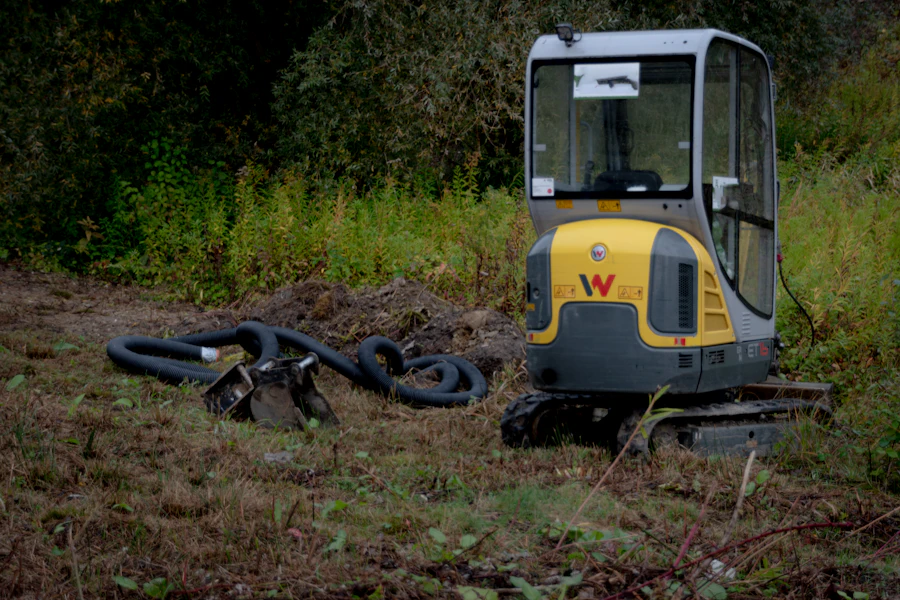
- The lines themselves. Probing and selective digging tells whether trenches are saturated, root-bound, crushed, or coated. Where it's roots or a crushed section, repair beats replacement.
Rehab or replace — the honest decision
A tilted D-box, a root-cut line, one failed lateral: those are repairs, often in the $1,500–$5,000 neighborhood. A field-wide biomat seal or a field undersized for the house usually means new lines — realistically $5,000–$15,000+ depending on soil and layout, and it requires a state permit with a site and soil evaluation before anyone digs. Be wary of anyone selling a guaranteed "field rejuvenation" additive or jetting miracle before they've dug a single test hole; sometimes those tools have a place, but only after a real diagnosis.
Keeping the one you have alive
Cheap habits that add years: keep vehicles, structures, and anything with deep roots off the field; aim gutters and sump discharge away from it (the field's job is your wastewater, not the roof's); spread laundry across the week instead of a single marathon Sunday; and hold the septic tank pumping schedule that Clarksville's clay demands — every year of overdue sludge is a season of biomat you can't undo.
Soggy yard? Get a diagnosis before a sales pitch.
Drainfield evaluation across Clarksville, Sango, Woodlawn, Cunningham, Palmyra & Oak Grove KY.
Book a Pump-Out